


Complete Guide to International Cargo Shipping Freight
Modes of International Freight Shipping
Air freight is renowned for its speed and reliability, making it the ideal choice for time-sensitive shipments, such as perishable goods, high-value items, or urgent orders. With shorter transit times, businesses can ensure rapid delivery and minimize potential disruptions in their supply chain. However, air freight tends to be more expensive compared to other modes and is limited by cargo size and weight restrictions.
Ocean freight, on the other hand, is the most commonly used mode of transportation, handling approximately 80-90% of global trade by volume. It is highly cost-effective for large and bulky shipments, accommodating diverse cargo types, from containerized goods to bulk materials. Ocean freight includes various services like Full Container Load (FCL), Less Than Container Load (LCL), and specialized options such as Roll-On/Roll-Off (Ro-Ro) for vehicles. While it offers economic benefits, ocean freight typically involves longer transit times and requires advanced planning.
Choosing the appropriate mode of international freight shipping depends on factors such as cost, delivery timeline, cargo type, and destination. Often, businesses strategically combine both modes in multimodal logistics for optimized efficiency and flexibility.
Types of Cargo in Ocean Freight
Ocean freight is the backbone of international trade, transporting a vast array of goods across the globe. The diverse types of cargo it handles can be categorized into four primary groups: containerized cargo, bulk cargo, break-bulk cargo, and Roll-On/Roll-Off (Ro-Ro) cargo.
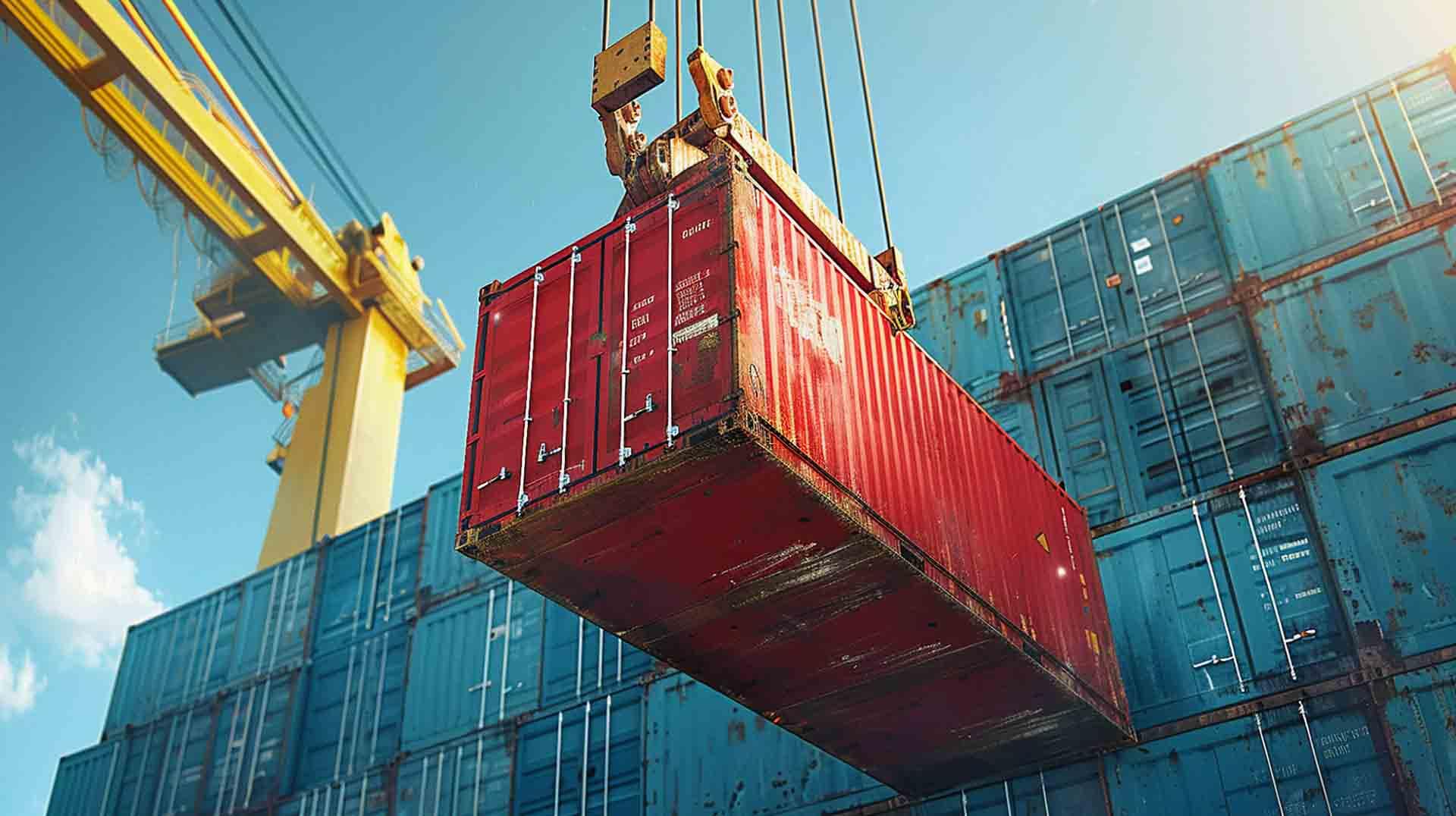
Containerized cargo is the most common type, utilizing standardized containers to transport a wide variety of goods, including electronics, clothing, and packaged food. Containers come in various sizes, such as 20-foot and 40-foot units, offering flexibility and security during transport.
Bulk cargo refers to unpackaged goods like grains, coal, oil, and minerals. These commodities are transported in large quantities directly in the ship’s hold, making it an efficient option for high-volume shipments.
Break-bulk cargo includes oversized or irregularly shaped items, such as machinery, steel beams, or construction equipment, that cannot fit into standard containers. These goods are loaded and unloaded individually, often requiring specialized equipment.
Roll-On/Roll-Off (Ro-Ro) cargo is reserved for wheeled vehicles, such as cars, trucks, and heavy machinery, which are driven onto and off the vessel using ramps.
Each cargo type requires specific handling and transport conditions, ensuring that ocean freight remains a versatile and reliable option for global trade. Choosing the appropriate category depends on the nature, size, and destination of the shipment.
Key Participants in International Freight Shipping
International freight shipping involves a network of key participants working together to ensure the smooth movement of goods across borders. Each player has a specific role in managing the logistics, regulatory, and operational aspects of the process.
1. Shippers
Shippers are the entities responsible for sending goods, including manufacturers, exporters, and distributors. They initiate the shipping process by providing cargo details, selecting a transportation mode, and coordinating with other stakeholders.
2. Freight Forwarders
Freight forwarders act as intermediaries between shippers and carriers. They manage logistics operations, including booking transport, preparing documentation, and ensuring compliance with international regulations. Their expertise streamlines the shipping process, saving time and resources for shippers.
3. Carriers
Carriers are companies that physically transport goods using air, sea, or land transportation. Shipping lines, airlines, and trucking companies are examples of carriers responsible for moving cargo from origin to destination.
4. Customs Brokers
Customs brokers facilitate the clearance of goods through customs by preparing and submitting required documentation, ensuring compliance with import/export regulations, and calculating duties and taxes.
5. Port Authorities
Port authorities oversee the operations of ports, including cargo handling, storage, and security, ensuring efficient and safe transit of goods.
This collaboration ensures a seamless flow of goods in the complex world of international trade.
Documentation and Regulatory Compliance in International Freight Shipping
Documentation and regulatory compliance are critical components of international freight shipping, ensuring that goods move smoothly across borders while adhering to global trade laws and standards. Proper documentation facilitates customs clearance, minimizes delays, and prevents legal or financial penalties.
Essential Documents
Key documents in international shipping include the Bill of Lading (BOL), which serves as a receipt for goods and a contract between the shipper and carrier. The Commercial Invoice outlines the transaction’s financial details, including the value of goods, terms of sale, and payment method. A Packing List provides a detailed inventory of the shipment’s contents, aiding in customs inspections and inventory management. The Certificate of Origin certifies the goods’ country of manufacture, influencing duties and tariffs. Additional documents may include insurance certificates, export licenses, and letters of credit, depending on the shipment’s nature and destination.
Regulatory Compliance
Meeting international trade regulations is equally vital. Countries have specific import/export rules, including customs procedures, tariffs, and safety standards. Compliance ensures that goods are not delayed or rejected during transit. For example, temperature-sensitive items must meet stringent packaging and labeling requirements.
Logistics companies often rely on customs brokers and compliance software to navigate regulatory complexities, ensuring efficient and lawful transport of goods while maintaining the integrity of global supply chains.
Freight Shipping Costs: Key Factors and Considerations
Freight shipping costs are influenced by a range of factors, each playing a critical role in determining the overall expense of transporting goods internationally. Understanding these elements is essential for businesses aiming to manage logistics budgets effectively.
1. Mode of Transport
The choice between air and ocean freight significantly affects costs. Air freight is faster but more expensive, ideal for urgent or high-value shipments. Ocean freight is more cost-effective for bulk goods but involves longer transit times.
2. Distance and Route
Longer shipping distances and complex routes increase costs. Additional fees may apply for transshipment or shipping through regions with higher tariffs or limited infrastructure.
3. Cargo Characteristics
The size, weight, and type of cargo are key cost determinants. Oversized, hazardous, or temperature-sensitive goods require special handling, increasing expenses.
4. Fuel Costs
Fluctuations in fuel prices directly impact freight rates. Carriers often apply fuel surcharges to offset rising energy expenses.
5. Seasonal Demand
High shipping demand during peak seasons, such as holidays, can lead to increased rates. Booking in advance can help mitigate these costs.
Businesses can optimize freight shipping costs by consolidating shipments, negotiating carrier contracts, and leveraging technology for route and load planning, ensuring a balance between efficiency and cost management.
Challenges in International Freight Shipping
International freight shipping is a cornerstone of global trade, but it comes with a range of challenges that can complicate operations and impact efficiency. Overcoming these obstacles is critical to ensuring the seamless movement of goods across borders.
1. Supply Chain Disruptions
Unpredictable events such as natural disasters, geopolitical conflicts, pandemics, or port congestion can disrupt supply chains, leading to delays and increased costs. These disruptions can ripple through global logistics networks, requiring quick adaptations and contingency planning.
2. Regulatory Complexities
Navigating the varying import/export regulations of different countries is a significant challenge. Customs clearance, documentation requirements, and compliance with safety standards add layers of complexity, and non-compliance can result in fines or shipment delays.
3. Rising Costs
Fluctuations in fuel prices, increased demand, and labor shortages contribute to rising transportation costs. These challenges require logistics providers to continuously optimize operations to maintain profitability.
4. Environmental Pressures
With increasing emphasis on sustainability, logistics companies face pressure to adopt eco-friendly practices, such as reducing emissions and using sustainable packaging, which can increase operational costs.
Addressing these challenges requires proactive strategies, such as investing in technology for real-time tracking, diversifying supply chains, and fostering strong partnerships to enhance flexibility and resilience in global freight operations.
Best Practices for Efficient International Freight Shipping
Efficient international freight shipping requires meticulous planning, strategic partnerships, and the adoption of innovative technologies to ensure seamless operations and cost-effectiveness. Below are best practices to optimize the process while addressing potential challenges.
1. Partner with Experienced Freight Forwarders
Collaborating with skilled freight forwarders streamlines logistics by leveraging their expertise in customs regulations, route planning, and cargo handling. They act as intermediaries, ensuring smooth coordination among all stakeholders and mitigating delays or errors.
2. Invest in Technology
Advanced technologies, such as transportation management systems (TMS) and real-time tracking tools, enhance supply chain visibility. These systems provide accurate updates on shipment status, enabling proactive decision-making and swift resolution of issues during transit.
3. Optimize Cargo Packaging and Loading
Efficient packaging reduces shipping costs by maximizing container space. Properly packed cargo minimizes damage risks, ensuring product integrity. Additionally, careful planning of container loading optimizes capacity and reduces fuel consumption.
4. Understand and Utilize Incoterms
Familiarity with International Commercial Terms (Incoterms) clarifies the responsibilities, risks, and costs shared between buyers and sellers, reducing disputes and ensuring smooth transactions.
5. Plan for Seasonal Variations
Peak seasons can cause delays and increased costs due to heightened demand. Businesses should plan shipments in advance and explore flexible scheduling options to avoid congestion.
6. Implement Sustainable Practices
Adopting eco-friendly measures, such as optimizing routes, using fuel-efficient vehicles, and employing recyclable packaging, aligns with regulatory requirements and customer expectations. Sustainability is becoming a competitive advantage in global logistics.
7. Build Resilient Supply Chains
Diversifying suppliers and transportation routes minimizes the impact of disruptions, such as port closures or geopolitical tensions. Contingency planning ensures continuity in the face of unexpected challenges.
8. Focus on Compliance
Maintaining accurate documentation and adhering to international trade regulations is critical to avoiding fines, delays, or shipment rejections. Investing in compliance training and using automated tools simplifies this process.
By implementing these best practices, logistics providers can enhance operational efficiency, reduce costs, and ensure timely, reliable delivery. Efficient international freight shipping strengthens global supply chains and fosters long-term success in a competitive market.
Conclusion: Optimizing International Freight Shipping for Success
International freight shipping is the backbone of global trade, facilitating the seamless movement of goods across borders and connecting markets worldwide. Despite its vital role, the process is not without challenges. From supply chain disruptions and regulatory complexities to rising costs and environmental pressures, logistics providers must navigate a dynamic landscape that demands adaptability and innovation.
Implementing best practices is essential for overcoming these challenges and ensuring efficient operations. Collaborating with experienced freight forwarders streamlines processes, while advanced technologies like transportation management systems (TMS) and real-time tracking tools enhance visibility and proactive decision-making. Efficient packaging and loading strategies not only protect cargo but also optimize space and reduce costs. Furthermore, understanding and leveraging Incoterms fosters clarity in international transactions, minimizing disputes and delays.
Proactive planning is critical, particularly during peak seasons when demand surges. Resilient supply chains, built on diversified suppliers and routes, mitigate the impact of unexpected disruptions such as port closures or geopolitical tensions. Additionally, integrating sustainable practices into freight operations is no longer optional—it is a competitive necessity. Eco-friendly solutions, such as route optimization, fuel-efficient vehicles, and sustainable packaging, meet regulatory requirements while appealing to environmentally conscious consumers.
Compliance with international trade regulations and accurate documentation are non-negotiable components of successful freight shipping. Investments in training, automated tools, and partnerships with customs experts ensure adherence to these requirements, protecting businesses from costly penalties and delays.
Ultimately, the key to thriving in the complex world of international freight shipping lies in a forward-thinking approach. By embracing innovation, fostering strong partnerships, and continuously refining strategies, logistics providers can overcome obstacles and deliver value to clients. Efficient, sustainable, and customer-focused freight operations not only strengthen supply chains but also contribute to a resilient and thriving global economy. With these principles at the core, businesses can position themselves for long-term success in the ever-evolving logistics landscape.